Trump's Iran Conflict Bolsters Putin
The Winners and Losers in the War in Iran
The war in Iran has already created a number of clear losers. The Iranian regime, which is itself under heavy bombardment, is struggling to maintain control. Civilians in both Iran and Lebanon are suffering from the ongoing conflict. Gulf countries that were once seen as stable safe havens now face reputational damage due to the missile attacks and drone strikes. People around the world, especially those in the poorest nations, are feeling the effects of rising fuel and fertilizer prices and disrupted supply chains.
For the Trump administration, the situation is also challenging. Despite some initial military successes, the administration is caught in an unpopular and costly war without a clear exit strategy. The long-term impact on countries like Israel and Iranian society remains uncertain.
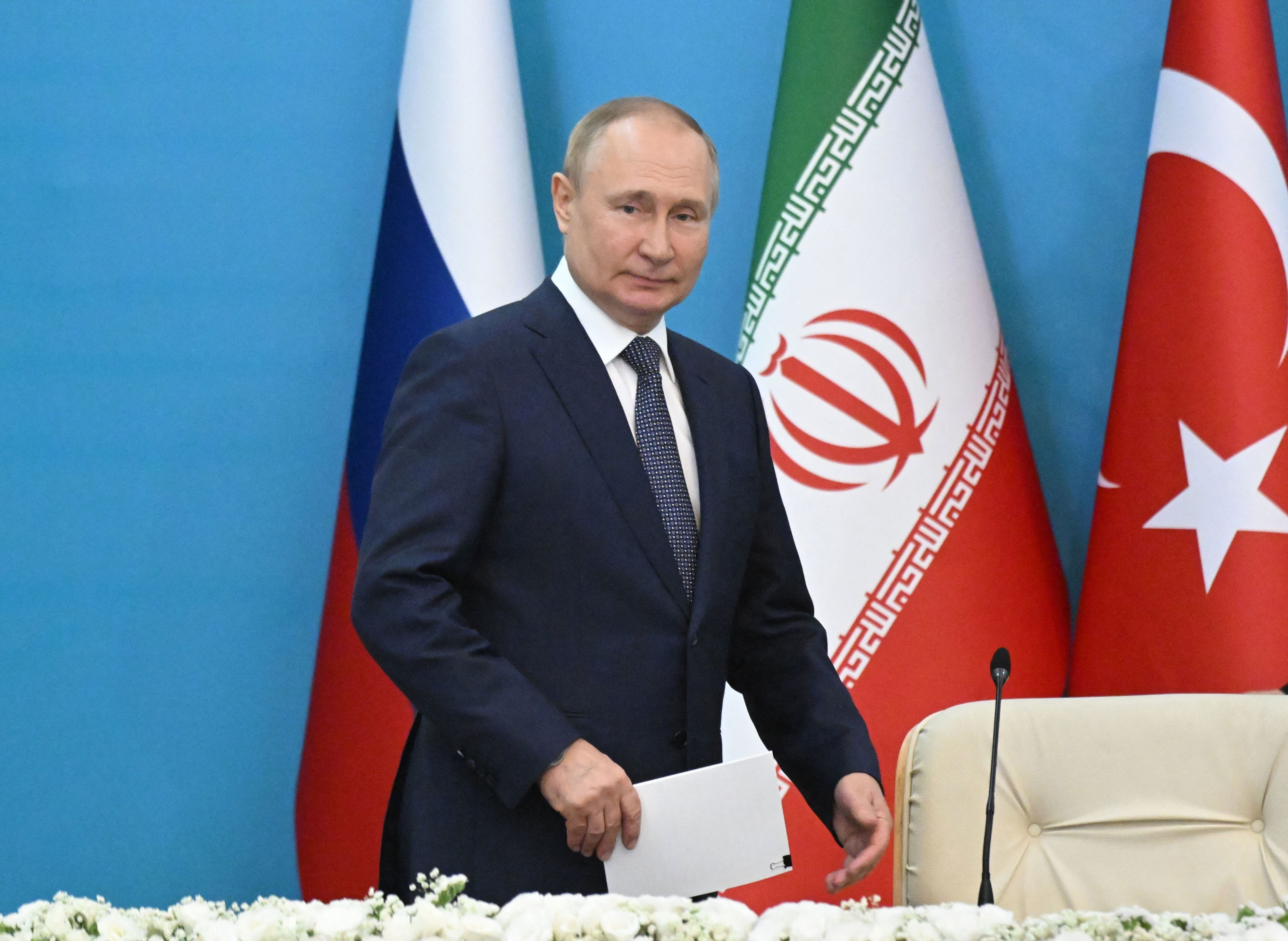
However, one entity has emerged as a clear winner so far: Russian President Vladimir Putin. This might seem surprising given that Iran is a strategic ally for Russia. Recently, Ayatollah Ali Khamenei, the third Russian-backed leader removed from power, was targeted. Putin has condemned the war and the killing of Khamenei. Still, the benefits for Russia outweigh the setbacks. High oil prices, weakened sanctions, diverted military resources, and a distracted Western alliance have all worked in Russia’s favor at a time when Putin needed a boost.
Economic Gains for Russia
Oil and gas account for about a third of Russia's government revenues and are essential for its war effort in Ukraine. Global crude prices have risen to record highs, benefiting the Kremlin. If oil prices remain above $100 per barrel, Russia stands to gain significantly. According to the Financial Times, Russia could earn an extra $150 million per day in oil sales, potentially reaching nearly $5 billion by next month if prices stay high.
The lifting of U.S. sanctions on Russian oil has made it easier for Russia to sell its oil globally. This relief comes at a crucial time for Russia, as energy revenues dropped last year to their lowest levels since the pandemic. The U.S. and European governments have also taken steps to sanction and seize "shadow" tankers used to transport Russian oil in violation of Western sanctions.
Before the war, Russia faced economic challenges, including slow growth, growing deficits, and limited activity outside the defense sector. However, the current situation provides Moscow with new options. Experts suggest that this windfall gives the Russian government more flexibility than before.
Military and Strategic Shifts
The war in Iran has shifted military focus away from Ukraine. In 2022 or 2023, Russia relied heavily on Iran for Shahed drones used in Ukraine. Now, Russia produces its own version, the Geran-2, reducing dependence on its Middle Eastern ally. Meanwhile, American munitions meant for Ukraine may be diverted to the Middle East.
U.S. officials have hinted at linking future aid to NATO and the Ukraine war effort with European help in opening the Strait of Hormuz. Although Russia is not directly involved in defending its ally, it is reportedly providing targeting information to Iran, similar to how the U.S. has supported Ukraine.
Diplomatically, Ukraine has fallen down the priority list in Washington and European capitals. U.S. negotiators have delayed talks in Turkey, and it remains unclear whether Russia was genuinely interested in these discussions. Ukrainian President Volodymyr Zelenskyy has expressed concern about the U.S. stepping away from the Ukraine issue due to the Middle East crisis.
Ukraine Seeks Advantages
Zelenskyy is hopeful that the crisis offers some advantages. Ukraine has sent experts to the Middle East to provide guidance on shooting down Iranian missiles and drones. These consultations could lead to long-term deals for Ukraine's defense tech sector, offering financial benefits and leverage with Gulf States.
Ukraine's air defense capabilities have been showcased, while Iran's Russian-provided air defenses have struggled against U.S. and Israeli attacks. It is unlikely many countries will want to purchase Russia's S-300s after this conflict.
A Reprieve, Not a Reversal
The extent of Russia's gains depends on how long the war lasts. If the disruption to global oil markets ends soon, the economic benefits may be minimal. A full-scale regime change in Iran would be less advantageous for Russia than a prolonged conflict leading to a hardliner in power.
Politically, the effects may be longer-lasting. Anger in the Global South over U.S. support for Israel during the Gaza war has undermined Biden's efforts to isolate Russia. Putin, who has offered to mediate the Iran war, is likely to take full advantage of a situation where much of the world sees the U.S., rather than Russia, as the aggressor.


