Oil Prices Could Paralyze U.S. Economy, Says Oxford Economics
The Global Energy Crisis and Its Economic Implications
The ongoing conflict in Iran has triggered a significant global energy crisis, disrupting markets and causing oil prices to reach their highest level in four years. As the situation escalates, the likelihood of a swift resolution appears increasingly slim, raising concerns about the potential impact on the U.S. economy.
Disruption of Key Energy Corridors
One of the most critical consequences of the war is the blocking of the Strait of Hormuz, a vital energy corridor that connects oil and gas producers in the Persian Gulf with the rest of the world. This closure has significantly reduced the flow of oil through the strait, which normally handles around 20 million barrels per day. According to the International Energy Agency (IEA), the conflict is removing approximately eight million barrels daily from the global supply, marking the largest oil supply disruption in history.
The resulting volatility in oil prices has been dramatic. Brent crude, an international benchmark, surged from around $70 per barrel before the war to over $120 last week. Although it has since stabilized between $90 and $100, the fluctuations have already begun to affect consumers, particularly in the United States.
Economic Impact and Potential Recession
Oxford Economics, an advisory firm, has analyzed the economic implications of rising oil prices. Their research suggests that every $10 increase in oil prices over a sustained period—typically around two months—can lead to a 0.1% decline in GDP due to higher inflation and slower growth. If prices average $100 for two months, it could result in a minor reduction in global GDP growth, but a full-blown recession might still be avoided.
However, the report warns that if oil prices average around $140 per barrel for two months, the economic fallout would be more severe. This scenario could lead to mild contractions in the Eurozone, the UK, and Japan, while the U.S. might experience a temporary standstill, with layoffs increasing the unemployment rate and bringing the country close to a recession.
Exponential Consequences
Calculating the economic consequences of higher oil prices is complex, as the effects are exponential. Higher oil and transportation costs could spill over into other sectors, such as food and goods, leading to broader inflation. Central banks, including the Federal Reserve, may respond by tightening interest rate policies, further dampening economic activity.
Additionally, sustained high oil prices could have a psychological impact on consumers. In the U.S., where car ownership is prevalent, fuel inflation could reduce households’ disposable income, leading to decreased spending in other areas and contributing to an economic slowdown.
Uncertain Outcomes and Market Reactions
Under the worst-case scenario, U.S. inflation could peak at around 5% in the second quarter of 2026, up from the current 2.4%. This would be the highest inflation since March 2023 and could prompt the Federal Reserve to adopt a more hawkish stance, potentially leading to rate hikes this year. While the Fed is expected to maintain steady rates this week, the conflict has made many forecasters cautious about any rate cuts this year.
Despite these warnings, Oxford Economics notes that the likelihood of the $140 scenario remains low for now. A more plausible outcome is that oil prices will stabilize around $100 per barrel, depending on when the conflict subsides and the Strait of Hormuz becomes safe again.
Recent developments, such as the temporary loosening of sanctions on Russian oil exports and the permission for Iranian tankers to leave the Gulf, have helped moderate oil prices. Additionally, the IEA’s coordinated release of 400 million barrels of emergency oil reserves has provided some market reassurance.
Volatility and Future Outlook
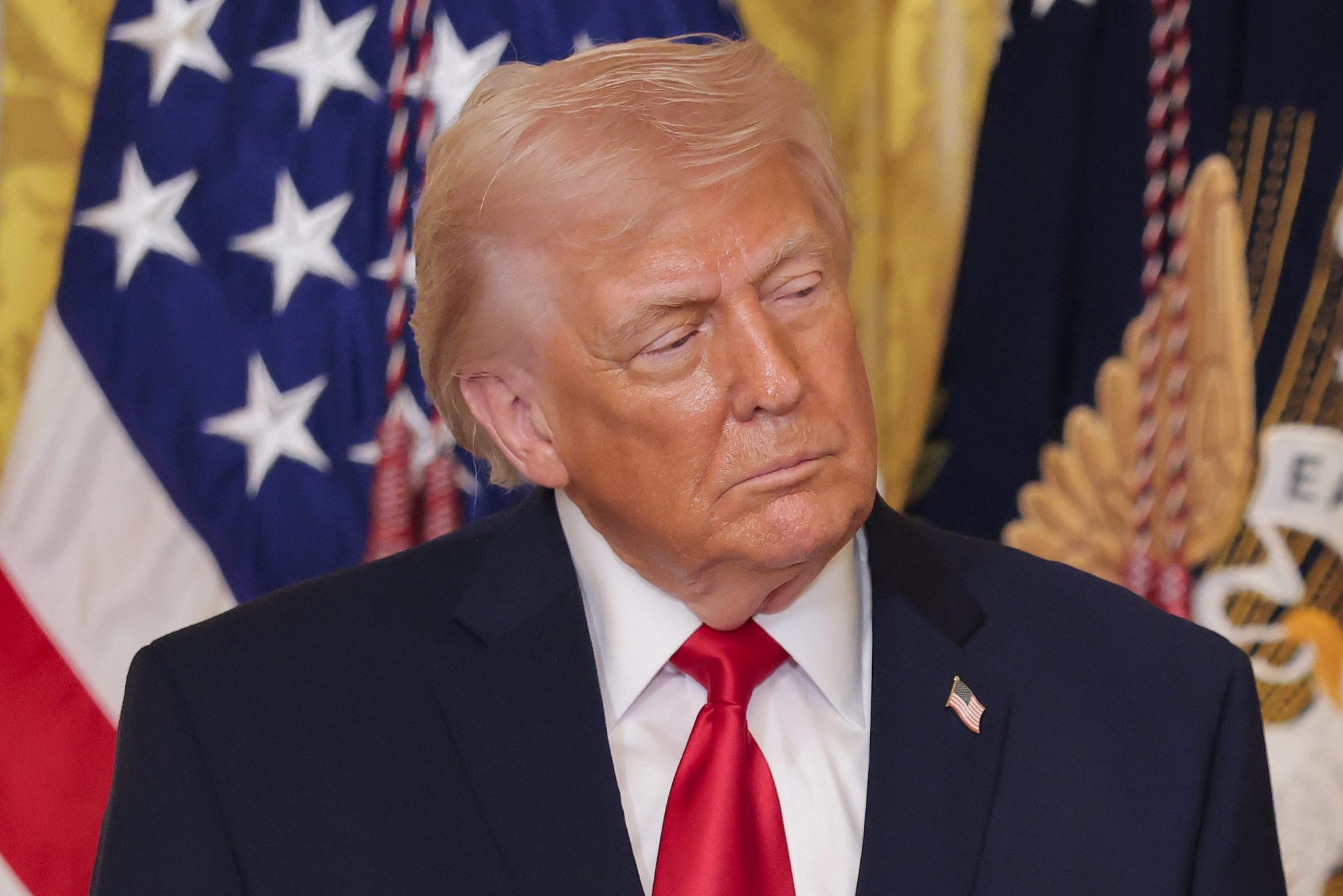
Oil prices have become accustomed to swings during this conflict. Early in the conflict’s second week, after former President Donald Trump tweeted that higher oil prices were a “small price to pay” for achieving U.S. goals in Iran, prices jumped 25% overnight to just below $120 a barrel before retreating later in the week.


